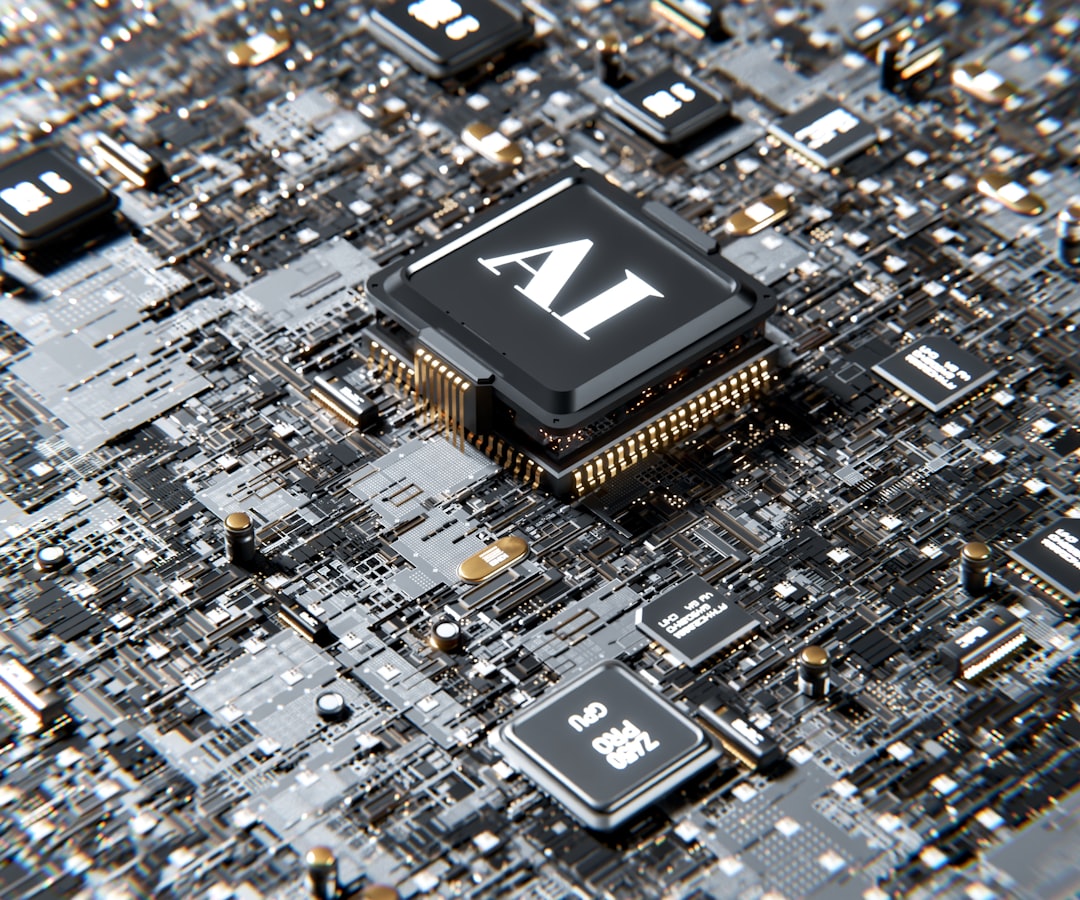
In the fast-paced world of technology, artificial intelligence (AI) is constantly evolving and pushing boundaries. From self-driving cars to personalized recommendations on streaming platforms, AI is becoming increasingly integrated into our daily lives. In this blog post, we will explore some of the latest AI breakthroughs that are shaping the future of technology.
Introduction to AI Breakthroughs
Artificial intelligence has come a long way since its inception, and recent advancements have been nothing short of groundbreaking. AI technologies are being used in a variety of industries, from healthcare to finance, to improve efficiency, accuracy, and decision-making. Let’s delve into some of the latest AI breakthroughs that are making waves in the tech world.
Natural Language Processing (NLP) Advancements
One of the most exciting AI breakthroughs in recent years is the advancement of natural language processing (NLP). NLP technology enables machines to understand and interpret human language, making it possible for chatbots, virtual assistants, and translation services to communicate more effectively. Recent developments in NLP have led to significant improvements in language understanding, sentiment analysis, and text generation, making AI-powered communication tools more sophisticated than ever before.
Computer Vision Innovations
Computer vision is another area of AI that has seen remarkable progress in recent years. Computer vision technology allows machines to interpret and analyze visual information, enabling applications such as facial recognition, object detection, and autonomous driving. Recent breakthroughs in computer vision have led to more accurate and efficient image recognition algorithms, paving the way for a wide range of innovative applications in fields like healthcare, security, and entertainment.
Deep Learning Advancements
Deep learning, a subset of machine learning that uses artificial neural networks to simulate the human brain’s learning process, has been a driving force behind many recent AI breakthroughs. Deep learning algorithms have revolutionized tasks such as speech recognition, image classification, and natural language understanding, achieving levels of accuracy and efficiency that were previously thought impossible. Recent advancements in deep learning architecture, training techniques, and hardware acceleration have accelerated the pace of innovation in AI and opened up new possibilities for applications in areas like autonomous robotics, predictive analytics, and personalized medicine.
Reinforcement Learning Breakthroughs
Reinforcement learning is a type of machine learning that enables agents to learn how to make decisions by interacting with their environment and receiving feedback on their actions. Recent breakthroughs in reinforcement learning have led to significant advances in areas such as game playing, robotics, and control systems. For example, AlphaGo, an AI system developed by DeepMind, made headlines by defeating human world champions in the complex game of Go using reinforcement learning techniques. These breakthroughs in reinforcement learning have the potential to revolutionize industries such as transportation, manufacturing, and finance by enabling autonomous decision-making systems that can adapt to changing conditions in real-time.
Conclusion
In conclusion, the latest AI breakthroughs in the technology category are pushing the boundaries of what is possible and opening up new opportunities for innovation and growth. From advancements in natural language processing and computer vision to breakthroughs in deep learning and reinforcement learning, AI technologies are revolutionizing the way we interact with machines and the world around us. As AI continues to evolve and mature, we can expect to see even more exciting developments that will shape the future of technology and society as a whole. Stay tuned for more updates on the latest AI breakthroughs and their impact on the world of technology.
Leave a Reply