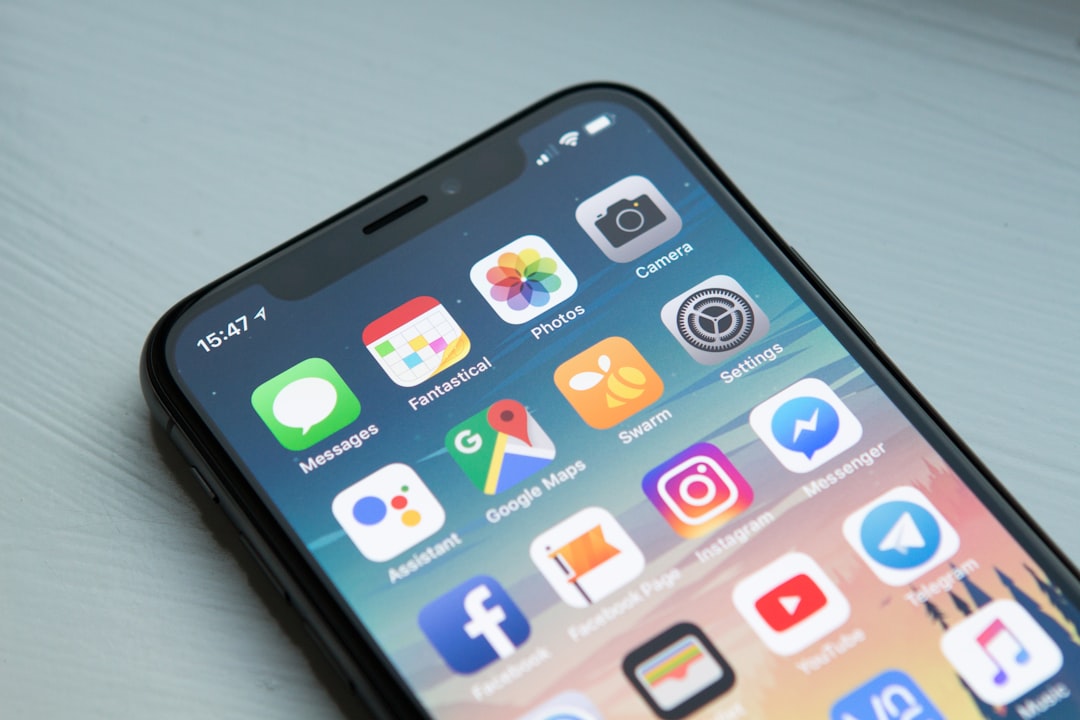
In today’s fast-paced digital world, mobile app development has become a crucial aspect of the technology industry. With the increasing use of smartphones and tablets, businesses and individuals are constantly seeking innovative and user-friendly mobile applications to meet their needs. In this blog post, we will delve into the world of mobile app development, exploring the process, benefits, and trends in this ever-evolving field.
Introduction to Mobile App Development
Mobile app development refers to the process of creating software applications that are specifically designed to run on mobile devices such as smartphones and tablets. These applications can be developed for a variety of purposes, including entertainment, productivity, communication, and more. Mobile app development involves a combination of programming languages, frameworks, and tools to create functional and user-friendly applications that meet the needs of the end-users.
The Process of Mobile App Development
The process of mobile app development typically begins with an idea or concept for an application. This idea is then refined through research, brainstorming, and planning to determine the features, design, and functionality of the app. Once the concept is solidified, developers begin the coding and programming phase, using programming languages such as Java, Swift, or React Native to build the app.
After the coding phase is complete, the app undergoes testing to identify and fix any bugs or issues. Testing is a crucial step in the development process, as it ensures that the app functions properly and provides a seamless user experience. Once the app has been thoroughly tested and approved, it is ready for deployment to the app stores for users to download and install on their devices.
Benefits of Mobile App Development
There are numerous benefits to investing in mobile app development for businesses and individuals alike. For businesses, mobile apps provide a direct channel to engage with customers, promote products and services, and increase brand awareness. Mobile apps can also improve customer loyalty and retention by offering valuable features and incentives to users.
For individuals, mobile apps offer convenience, entertainment, and productivity on the go. Whether it’s checking the weather, ordering food, or managing finances, mobile apps make everyday tasks easier and more efficient. With the right mobile app, users can save time, stay organized, and access information at their fingertips.
Trends in Mobile App Development
As technology continues to evolve, so do the trends in mobile app development. Some of the current trends in the industry include:
1. Artificial Intelligence (AI) and Machine Learning: AI and machine learning are being used in mobile apps to provide personalized experiences, predictive analytics, and intelligent automation.
2. Augmented Reality (AR) and Virtual Reality (VR): AR and VR technologies are being integrated into mobile apps to create immersive and interactive experiences for users.
3. Internet of Things (IoT): IoT devices are becoming increasingly popular, and mobile apps are being developed to control and monitor connected devices such as smart home appliances and wearable technology.
4. Progressive Web Apps (PWAs): PWAs are web-based applications that offer the functionality of native apps without the need to download and install them on a device.
Conclusion
Mobile app development is a dynamic and rapidly growing field that offers endless possibilities for businesses and individuals. With the right tools, expertise, and creativity, developers can create innovative and user-friendly apps that meet the needs and expectations of users. By staying informed about the latest trends and technologies in mobile app development, businesses and individuals can leverage the power of mobile apps to enhance their digital presence and stay ahead of the competition.
Leave a Reply