Web3 and Blockchain: The Future of Technology
Introduction
In recent years, the terms Web3 and blockchain have been buzzing around the tech world. These technologies are shaping the future of the internet and revolutionizing various industries. In this blog post, we will delve into what Web3 and blockchain are, how they work, and their impact on the tech landscape.
What is Web3?
Web3 refers to the next generation of the internet, where decentralized applications (dApps) run on blockchain technology. Unlike the current Web 2.0, which is dominated by centralized platforms like Google, Facebook, and Amazon, Web3 aims to give users more control over their data and online interactions.
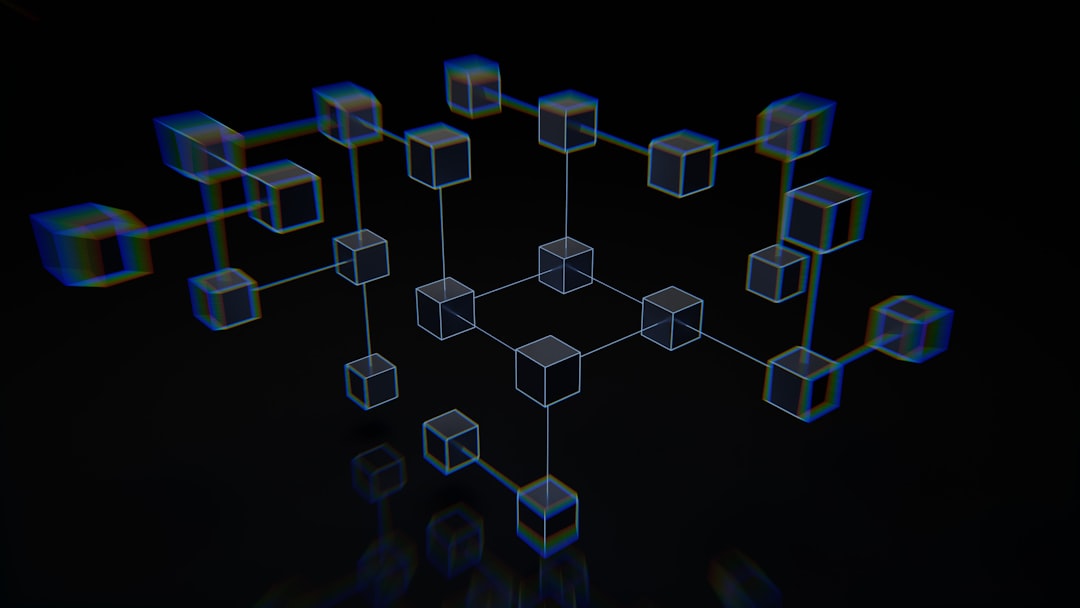
One of the key components of Web3 is blockchain technology. Blockchain is a decentralized, distributed ledger that securely records transactions across a network of computers. Each block in the chain contains a cryptographic hash of the previous block, creating a secure and tamper-proof record of transactions.
How does Blockchain work?
Blockchain technology works by creating a decentralized network of computers (nodes) that store a copy of the blockchain. When a new transaction is initiated, it is broadcast to the network and validated by multiple nodes through a process called consensus. Once the transaction is validated, it is added to a block and appended to the blockchain.
Blockchain technology ensures transparency, security, and immutability of data, making it ideal for applications that require trustless transactions. This technology has the potential to disrupt industries such as finance, healthcare, supply chain, and more.
Impacts of Web3 and Blockchain
The adoption of Web3 and blockchain technology is expected to have a profound impact on various aspects of the tech landscape. Some of the key impacts include:
1. Decentralization: Web3 promotes decentralization by eliminating the need for intermediaries and giving users more control over their data. This shift towards decentralization can lead to a more democratic and user-centric internet.
2. Data Privacy: With Web3, users have greater control over their data and can choose how it is shared and used. Blockchain technology ensures that data is securely stored and cannot be altered without consensus from the network.
3. Tokenization: Blockchain enables the tokenization of assets, allowing for the creation of digital assets that can be traded securely and efficiently. This has the potential to revolutionize finance, real estate, and other asset-based industries.
4. Smart Contracts: Smart contracts are self-executing contracts with the terms of the agreement directly written into code. These contracts run on blockchain technology and automatically execute when certain conditions are met. Smart contracts have the potential to streamline processes and reduce the need for intermediaries.
Conclusion
Web3 and blockchain technology are poised to transform the tech landscape in the coming years. These technologies offer a more decentralized, secure, and transparent internet where users have more control over their data and online interactions. As Web3 continues to evolve, we can expect to see new innovations and applications that leverage the power of blockchain technology. Stay tuned for the exciting developments that lie ahead in the world of Web3 and blockchain.
Leave a Reply