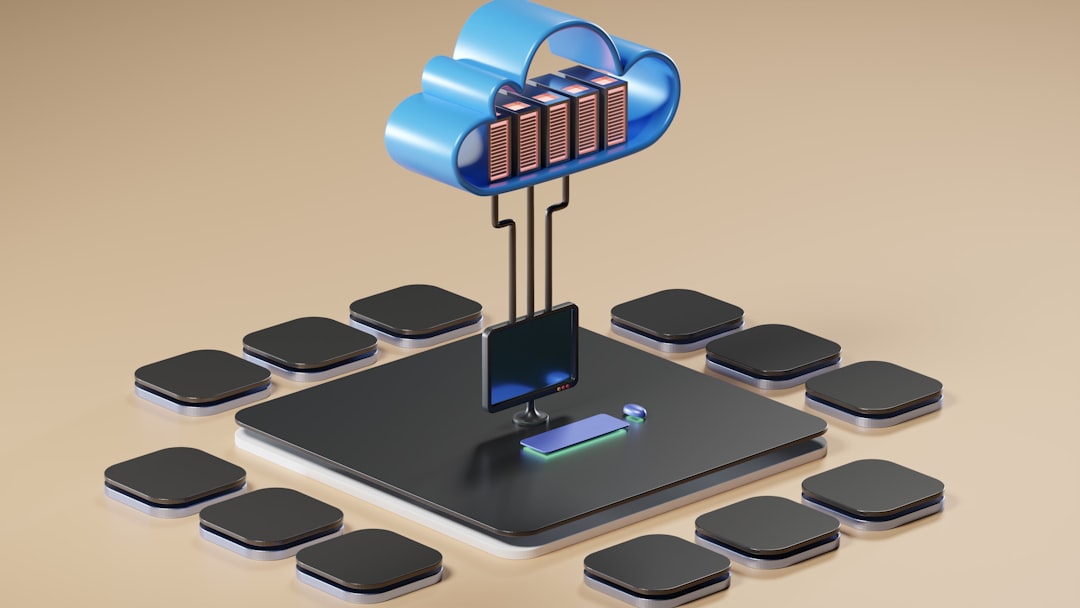
In today’s fast-paced digital world, staying up to date with the latest trends in technology is essential for businesses looking to remain competitive. One area that has seen significant advancements in recent years is cloud computing. Cloud computing has revolutionized the way businesses store, manage, and access their data, offering a wide range of benefits such as scalability, cost efficiency, and increased flexibility. In this blog post, we will explore some of the latest updates in cloud computing and how they are shaping the future of technology.
Introduction to Cloud Computing
Cloud computing is a model for delivering on-demand computing services over the internet. Instead of storing data on local servers or personal computers, cloud computing allows businesses to access resources such as storage, processing power, and applications through a network of remote servers hosted on the internet. This model offers a more efficient and cost-effective way to manage data and applications, making it an attractive option for businesses of all sizes.
Latest Updates in Cloud Computing
1. Hybrid Cloud Solutions: One of the latest trends in cloud computing is the adoption of hybrid cloud solutions. Hybrid cloud combines on-premises infrastructure with public and private cloud services, allowing businesses to leverage the benefits of both environments. This approach provides greater flexibility and scalability, enabling businesses to easily scale their resources based on demand while maintaining control over sensitive data and applications.
2. Multi-Cloud Management: As businesses continue to embrace cloud computing, many are opting for a multi-cloud strategy, which involves using multiple cloud providers to meet different business needs. Multi-cloud management tools have emerged to help businesses efficiently manage their resources across various cloud platforms, ensuring seamless integration and optimal performance.
3. Edge Computing: Edge computing is another emerging trend in cloud computing that focuses on processing data closer to the source of its generation, rather than relying on centralized cloud servers. This approach reduces latency and improves performance, making it ideal for applications that require real-time data processing, such as IoT devices and autonomous vehicles.
4. Serverless Computing: Serverless computing, also known as Function as a Service (FaaS), is a cloud computing model that allows businesses to run applications without managing the underlying infrastructure. With serverless computing, businesses only pay for the resources they use, making it a cost-effective and efficient option for running lightweight applications and microservices.
5. AI and Machine Learning Integration: Cloud computing providers are increasingly integrating artificial intelligence (AI) and machine learning (ML) capabilities into their services, enabling businesses to leverage advanced analytics and automation tools to make data-driven decisions. These technologies are being used to optimize resource allocation, improve security, and enhance overall business operations.
Conclusion
Cloud computing continues to evolve at a rapid pace, with new updates and advancements shaping the future of technology. By staying informed about the latest trends in cloud computing, businesses can harness the power of the cloud to drive innovation, improve efficiency, and stay ahead of the competition. As hybrid cloud solutions, multi-cloud management, edge computing, serverless computing, and AI integration become more prevalent, businesses must adapt their strategies to take full advantage of these transformative technologies. Embracing the latest updates in cloud computing is essential for businesses looking to thrive in today’s digital landscape.
Leave a Reply