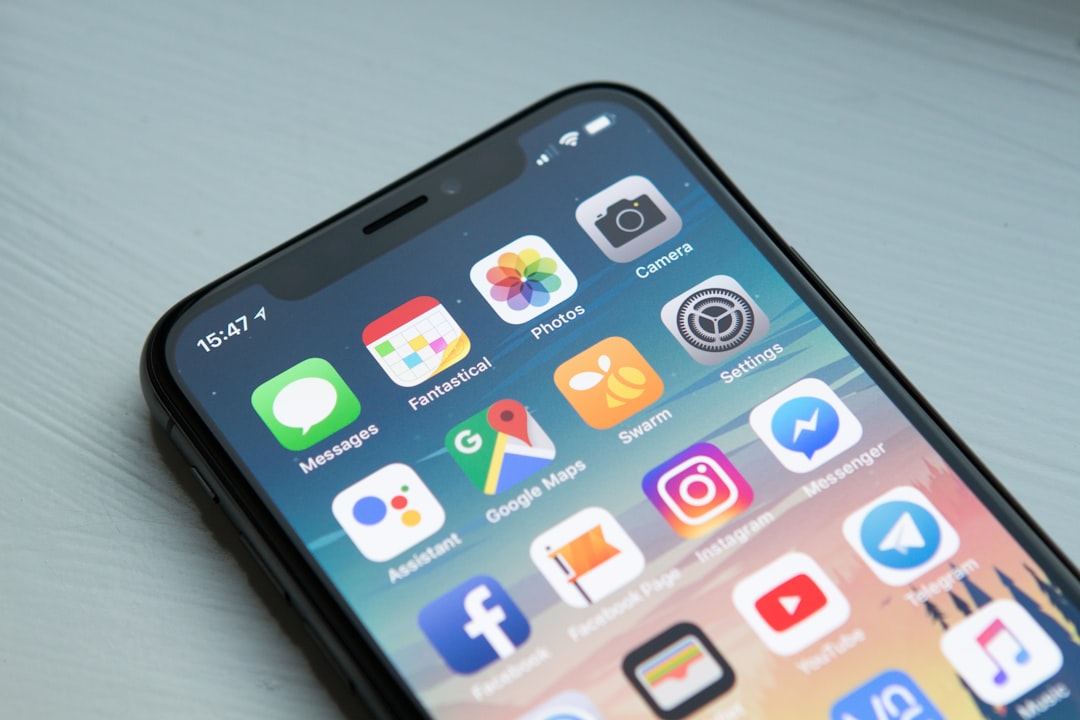
Mobile App Development: A Comprehensive Guide to Building Successful Apps
In today’s digital age, mobile apps have become an integral part of our daily lives. From ordering food to booking a taxi, there seems to be an app for everything. With the increasing reliance on smartphones, businesses are recognizing the importance of having a mobile presence. This has led to a surge in demand for mobile app development services.
If you are considering entering the world of mobile app development, you’ve come to the right place. In this comprehensive guide, we will walk you through the process of building successful mobile apps that stand out in the competitive app market.
Introduction to Mobile App Development
Mobile app development involves creating software applications that are designed to run on mobile devices such as smartphones and tablets. There are two main platforms for mobile app development: iOS for Apple devices and Android for devices running on the Android operating system. Each platform has its own set of guidelines and requirements that developers must adhere to.
The mobile app development process typically involves several stages, including ideation, design, development, testing, and deployment. It is crucial to have a clear understanding of the target audience and their needs before diving into app development. This will help you create an app that resonates with users and provides value to them.
Key Components of Mobile App Development
1. Ideation: The first step in mobile app development is coming up with a unique and innovative app idea. This involves researching the market, identifying user needs, and brainstorming ideas that address those needs. It is essential to conduct thorough market research to ensure that your app idea is viable and has potential for success.
2. Design: Once you have a solid app idea, the next step is to create a design that enhances the user experience. A well-designed app should be intuitive, visually appealing, and easy to navigate. Pay attention to factors such as color scheme, typography, and iconography to create a cohesive and engaging design.
3. Development: The development stage involves turning your app idea and design into a functional app. This step requires coding skills and knowledge of programming languages such as Swift for iOS and Java for Android. It is important to follow best practices in coding and ensure that your app is optimized for performance and security.
4. Testing: Testing is a critical phase in mobile app development that involves identifying and fixing bugs and issues in the app. Testing should be conducted on different devices and operating systems to ensure compatibility and functionality. It is also important to gather feedback from beta testers to improve the app before launch.
5. Deployment: The final stage in mobile app development is deploying the app to the app stores for users to download and use. This involves submitting the app to the Apple App Store and Google Play Store, adhering to their guidelines and requirements. It is important to create a compelling app description and screenshots to attract users to download your app.
Tips for Successful Mobile App Development
1. Focus on User Experience: User experience is key to the success of a mobile app. Make sure your app is easy to use, intuitive, and visually appealing. Consider conducting user testing to gather feedback and improve the app based on user insights.
2. Optimize for Performance: Performance is crucial in mobile app development, as users expect apps to be fast and responsive. Optimize your app for speed, efficiency, and battery consumption to provide a seamless user experience.
3. Stay Updated with Trends: The mobile app market is constantly evolving, with new trends and technologies emerging regularly. Stay updated with the latest trends in mobile app development and incorporate them into your app to stay ahead of the competition.
4. Monetization Strategies: Consider different monetization strategies for your app, such as in-app purchases, ads, subscriptions, or freemium models. Choose a strategy that aligns with your app’s goals and target audience.
Conclusion
Mobile app development is a dynamic and rewarding field that offers endless opportunities for innovation and creativity. By following the key components and tips outlined in this guide, you can build successful mobile apps that resonate with users and achieve success in the competitive app market. Remember to prioritize user experience, optimize for performance, stay updated with trends, and consider monetization strategies to create a successful mobile app that stands out from the crowd.
Leave a Reply