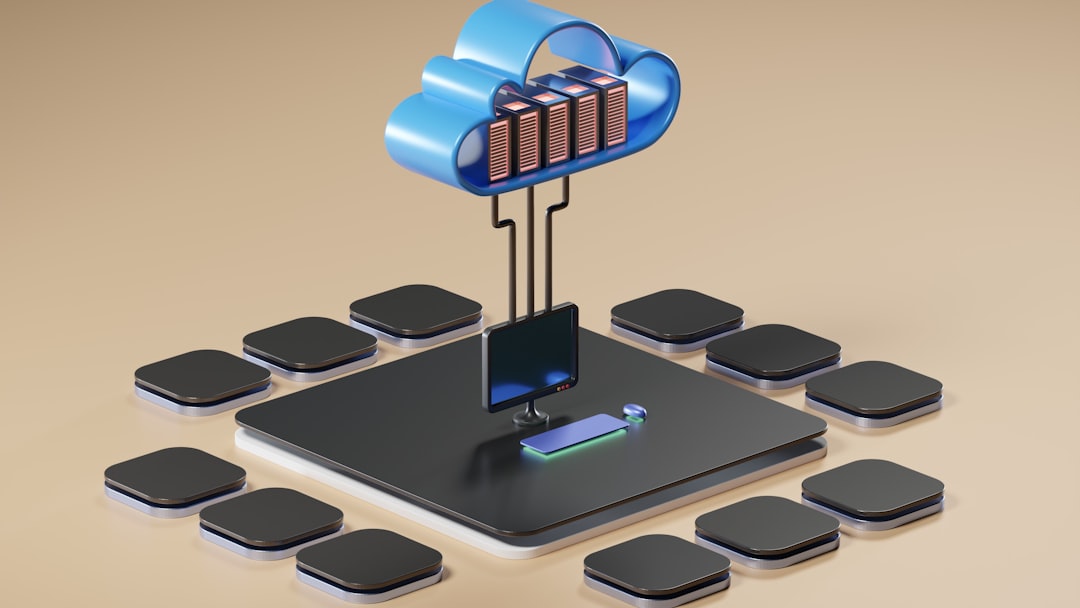
Cloud computing is a constantly evolving technology that has revolutionized the way businesses operate. With the rise of remote work and the increasing need for flexible and scalable IT solutions, cloud computing has become an essential tool for organizations of all sizes. In this blog post, we will explore the latest updates in cloud computing and how they are shaping the future of technology.
Introduction to Cloud Computing
Cloud computing is the delivery of computing services over the internet, allowing users to access resources such as storage, processing power, and applications on-demand. This eliminates the need for physical infrastructure and enables businesses to scale their IT resources quickly and cost-effectively. The three main types of cloud computing are public, private, and hybrid clouds, each offering different levels of security, control, and customization.
Latest Updates in Cloud Computing
1. Multi-Cloud Strategies: Many organizations are adopting multi-cloud strategies, using a combination of public and private clouds to optimize performance, security, and cost efficiency. This approach allows businesses to leverage the strengths of different cloud providers and avoid vendor lock-in.
2. Edge Computing: Edge computing is gaining popularity as a way to process data closer to the source, reducing latency and improving performance for applications that require real-time processing. By moving computing resources closer to the edge of the network, organizations can improve user experience and efficiency.
3. Artificial Intelligence and Machine Learning: Cloud computing providers are integrating artificial intelligence and machine learning capabilities into their platforms, enabling businesses to analyze large datasets, automate tasks, and make data-driven decisions. These technologies are transforming industries such as healthcare, finance, and manufacturing.
4. Serverless Computing: Serverless computing allows developers to focus on writing code without worrying about managing servers or infrastructure. Cloud providers handle the scaling, maintenance, and availability of resources, making it easier and more cost-effective to deploy applications.
5. Kubernetes and Containers: Kubernetes is an open-source container orchestration platform that simplifies the deployment, scaling, and management of containerized applications. Containers provide a lightweight and portable way to package applications and their dependencies, making it easier to build and deploy cloud-native applications.
Conclusion
Cloud computing continues to evolve and innovate, providing businesses with the tools they need to succeed in a digital-first world. By staying up-to-date with the latest updates in cloud computing, organizations can take advantage of new technologies, improve efficiency, and drive innovation. Whether adopting multi-cloud strategies, leveraging edge computing, or harnessing the power of artificial intelligence, cloud computing offers endless possibilities for businesses looking to stay ahead of the curve.
Leave a Reply