Blog

  • The Future of Technology: Exploring Web3 and Blockchain Integration

    The Future of Technology: Exploring Web3 and Blockchain Integration

    Title: Unlocking the Potential of Web3 and Blockchain Technology

    Introduction:
    In the ever-evolving landscape of technology, Web3 and blockchain have emerged as revolutionary concepts that are set to reshape the way we interact with the digital world. These technologies offer decentralized, secure, and transparent solutions that can have a profound impact across various industries. In this article, we will delve into the world of Web3 and blockchain, exploring their potential and the implications for the future of technology.

    What is Web3?
    Web3 is a term used to describe the next generation of the internet, characterized by decentralized networks and applications that operate without central authorities. Unlike Web2, which is dominated by big tech companies that control user data and access, Web3 aims to empower users by giving them more control over their online interactions. This is made possible through the use of blockchain technology, which forms the backbone of Web3 applications.

    Understanding Blockchain Technology:
    Blockchain is a distributed ledger technology that enables the secure and transparent recording of transactions across a network of computers. Each transaction is recorded as a block and linked to the previous block, forming a chain of blocks. This ensures that the data stored on the blockchain is immutable and tamper-proof, making it ideal for applications where trust and transparency are critical.

    The Benefits of Web3 and Blockchain:
    One of the key benefits of Web3 and blockchain technology is decentralization. By removing the need for intermediaries and central authorities, users can interact directly with each other in a peer-to-peer fashion. This not only enhances privacy and security but also reduces the risk of censorship and manipulation. Additionally, blockchain technology enables greater transparency and accountability, as all transactions are recorded on a public ledger that can be accessed by anyone.

    Applications of Web3 and Blockchain:
    The potential applications of Web3 and blockchain technology are vast and diverse. In the financial sector, blockchain is already being used for secure and efficient transactions, with cryptocurrencies like Bitcoin and Ethereum gaining mainstream adoption. In the healthcare industry, blockchain can be used to securely store and share patient data, improving interoperability and data security. Furthermore, Web3 applications can revolutionize supply chain management, voting systems, and digital identity verification.

    Challenges and Considerations:
    While the promise of Web3 and blockchain technology is undeniable, there are also challenges that need to be addressed. Scalability, interoperability, and regulatory concerns are some of the key issues that need to be overcome for widespread adoption. Additionally, the energy consumption associated with blockchain mining has raised environmental concerns, prompting the need for more sustainable solutions.

    Conclusion:
    Web3 and blockchain technology have the potential to transform the way we interact with the digital world, offering decentralized, secure, and transparent solutions that empower users. As these technologies continue to evolve and mature, it is important for businesses and individuals to stay informed and explore the possibilities they present. By embracing Web3 and blockchain, we can unlock a new era of innovation and collaboration that will shape the future of technology.

  • The Latest Innovations in Cloud Computing Technology

    The Latest Innovations in Cloud Computing Technology

    Cloud Computing Updates: Staying Ahead in the Tech World

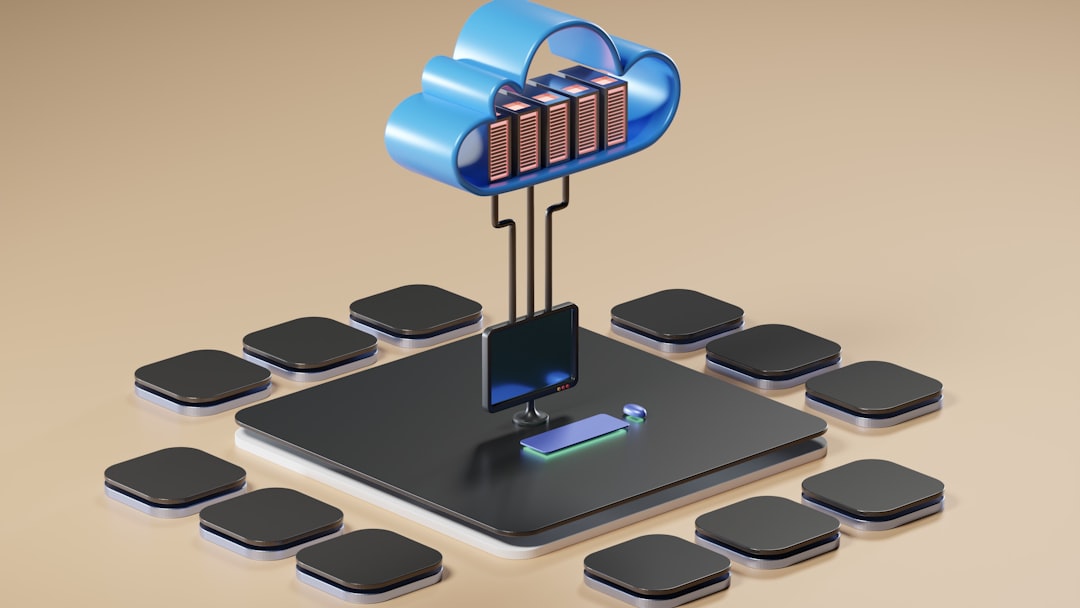
    In today’s fast-paced digital landscape, staying up to date with the latest advancements in technology is crucial for businesses looking to remain competitive. One area that has seen significant growth and evolution in recent years is cloud computing. As more companies shift towards cloud-based solutions, it’s important to stay informed about the latest updates and trends in this space. In this blog post, we’ll explore some of the most recent cloud computing updates that are shaping the future of technology.

    Introduction to Cloud Computing

    Before we delve into the latest updates, let’s first understand what cloud computing is all about. In simple terms, cloud computing refers to the delivery of computing services over the internet. Instead of storing data and running applications on local servers or personal devices, cloud computing allows users to access resources such as storage, processing power, and software applications remotely.

    Cloud computing offers a range of benefits, including cost savings, scalability, flexibility, and enhanced security. With the ability to access resources on-demand from anywhere in the world, businesses can streamline their operations and improve efficiency.

    Latest Updates in Cloud Computing

    1. Serverless Computing: One of the most significant updates in cloud computing is the rise of serverless computing. This model allows developers to build and run applications without the need to manage servers. Instead, cloud providers handle the infrastructure, allowing developers to focus on writing code. Serverless computing offers benefits such as reduced costs, increased scalability, and faster time to market.

    2. Multi-Cloud Strategy: As businesses continue to adopt cloud computing, many are embracing a multi-cloud strategy. This involves using multiple cloud providers to meet different needs, such as cost savings, redundancy, and compliance. By leveraging multiple cloud platforms, organizations can avoid vendor lock-in and optimize their cloud resources.

    3. Edge Computing: Another key trend in cloud computing is edge computing. This approach involves processing data closer to the source, such as IoT devices or sensors, rather than relying on centralized data centers. Edge computing offers benefits such as reduced latency, improved performance, and enhanced security. With the proliferation of IoT devices, edge computing is becoming increasingly important for businesses looking to harness real-time data insights.

    4. AI and Machine Learning: Cloud computing providers are increasingly integrating AI and machine learning capabilities into their services. This allows businesses to leverage advanced analytics, predictive modeling, and automation to drive innovation and improve decision-making. By harnessing the power of AI and machine learning, organizations can unlock valuable insights from their data and gain a competitive edge in the market.

    Conclusion

    Cloud computing continues to evolve at a rapid pace, with new updates and trends shaping the future of technology. By staying informed about the latest advancements in cloud computing, businesses can adapt to changing market demands, improve operational efficiency, and drive innovation. Whether it’s embracing serverless computing, adopting a multi-cloud strategy, leveraging edge computing, or harnessing AI and machine learning, there are countless opportunities for organizations to leverage cloud computing to stay ahead in the tech world. Stay tuned for more updates on cloud computing as this dynamic field continues to transform the way we work and interact with technology.

  • The Ultimate Guide to Mobile App Development: Tips and Best Practices

    The Ultimate Guide to Mobile App Development: Tips and Best Practices

    Mobile App Development: The Future of Technology

    In today’s fast-paced world, mobile apps have become an integral part of our daily lives. From social media to online shopping, there seems to be an app for everything. As the demand for mobile apps continues to grow, so does the need for skilled mobile app developers. In this blog post, we will explore the world of mobile app development, its importance in the technology sector, and how businesses can benefit from investing in mobile app development.

    Introduction to Mobile App Development

    Mobile app development is the process of creating software applications that run on mobile devices such as smartphones and tablets. These apps are designed to provide users with access to specific services or information, making their lives easier and more convenient. Mobile app development involves a combination of creativity, technical skills, and knowledge of the latest technologies.

    The Importance of Mobile App Development

    Mobile app development plays a crucial role in the technology sector for several reasons. Firstly, mobile apps allow businesses to reach a wider audience and engage with their customers in a more personalized way. By offering a mobile app, businesses can provide users with a seamless experience that is tailored to their needs and preferences.

    Secondly, mobile apps can help businesses increase their revenue and boost their brand visibility. With the rise of mobile commerce, more and more consumers are turning to their smartphones to make purchases and interact with brands. By investing in mobile app development, businesses can tap into this growing market and stay ahead of the competition.

    Benefits of Mobile App Development for Businesses

    There are several benefits that businesses can gain from investing in mobile app development. One of the main advantages is increased customer engagement. Mobile apps enable businesses to connect with their customers in real-time, send personalized notifications, and gather valuable feedback to improve their products and services.

    Additionally, mobile apps can help businesses streamline their operations and improve efficiency. By offering a mobile app, businesses can automate processes, reduce manual tasks, and provide employees with access to important information on the go. This can lead to cost savings and increased productivity.

    Moreover, mobile apps can enhance brand loyalty and customer retention. By offering a seamless and user-friendly experience, businesses can build trust with their customers and encourage them to return for future purchases. Mobile apps also provide businesses with valuable data insights that can help them make informed decisions and improve their marketing strategies.

    Conclusion

    In conclusion, mobile app development is a crucial component of the technology sector that offers numerous benefits for businesses. By investing in mobile app development, businesses can reach a wider audience, increase revenue, improve customer engagement, and streamline their operations. As the demand for mobile apps continues to grow, businesses that embrace mobile app development will be well-positioned to succeed in today’s digital world.

  • The Evolving Landscape of Cybersecurity Trends: What to Watch for in 2022

    The Evolving Landscape of Cybersecurity Trends: What to Watch for in 2022

    Cybersecurity Trends in Technology: Safeguarding Your Digital World

    In today’s digital age, cybersecurity is more important than ever. With the rise of cyber threats and attacks, it is crucial for individuals and organizations to stay informed about the latest cybersecurity trends in technology. In this blog post, we will explore some of the key trends shaping the cybersecurity landscape in 2021 and beyond.

    Introduction to Cybersecurity Trends

    Cybersecurity is the practice of protecting computers, servers, mobile devices, networks, and data from malicious attacks. As technology continues to evolve, so do the tactics used by cybercriminals. To stay ahead of the curve, it is essential to be aware of the latest cybersecurity trends and best practices.

    1. Artificial Intelligence and Machine Learning

    Artificial intelligence (AI) and machine learning are revolutionizing cybersecurity. These technologies can analyze vast amounts of data in real-time to detect and respond to threats more efficiently than traditional methods. AI-powered tools can identify patterns and anomalies that human analysts might miss, making them invaluable in the fight against cyber threats.

    2. Zero Trust Security

    Zero trust security is a concept that assumes no user or device can be trusted by default, even if they are inside the network perimeter. This approach requires continuous verification of users, devices, and applications before granting access to sensitive data or resources. By implementing zero trust security measures, organizations can reduce the risk of insider threats and unauthorized access.

    3. Cloud Security

    As more businesses move their data and applications to the cloud, cloud security has become a top priority. Cloud security solutions help protect data stored in the cloud from unauthorized access, data breaches, and other cyber threats. With the increasing adoption of cloud services, it is essential for organizations to implement robust cloud security measures to safeguard their sensitive information.

    4. Internet of Things (IoT) Security

    The Internet of Things (IoT) refers to the network of interconnected devices and sensors that collect and exchange data. While IoT devices offer numerous benefits, they also pose security risks. Cybercriminals can exploit vulnerabilities in IoT devices to gain unauthorized access to networks and data. To mitigate these risks, organizations must prioritize IoT security by implementing strong encryption, authentication, and access controls.

    5. Ransomware Attacks

    Ransomware attacks continue to pose a significant threat to individuals and organizations worldwide. In a ransomware attack, cybercriminals encrypt files or systems and demand a ransom in exchange for decryption keys. To prevent ransomware attacks, it is essential to regularly back up data, update software and security patches, and educate employees about phishing scams and other common attack vectors.

    Conclusion

    In conclusion, cybersecurity is a critical component of modern technology. By staying informed about the latest cybersecurity trends and best practices, individuals and organizations can better protect themselves against cyber threats. From artificial intelligence and machine learning to zero trust security and cloud security, there are numerous tools and strategies available to enhance cybersecurity posture. By implementing robust cybersecurity measures, we can safeguard our digital world and ensure a secure and resilient future.

    In conclusion, cybersecurity trends in technology are constantly evolving as cyber threats become more sophisticated. By staying informed about the latest trends and best practices, individuals and organizations can better protect themselves against cyber attacks. From artificial intelligence and machine learning to zero trust security and cloud security, there are numerous tools and strategies available to enhance cybersecurity posture. Implementing these measures can help safeguard our digital world and ensure a secure and resilient future.

  • Advancements in Artificial Intelligence: Exploring the Latest Breakthroughs

    Advancements in Artificial Intelligence: Exploring the Latest Breakthroughs

    Artificial Intelligence (AI) continues to make waves in the technology industry with groundbreaking advancements that are shaping the future of various sectors. From healthcare to finance, AI is revolutionizing the way we live and work. In this blog post, we will explore the latest AI breakthroughs that are pushing the boundaries of what is possible in the world of technology.

    ## Introduction to AI Breakthroughs

    Artificial Intelligence has come a long way since its inception, and recent breakthroughs have propelled the technology to new heights. One of the most exciting developments in AI is the rise of deep learning, a subset of machine learning that uses neural networks to mimic the way the human brain works. This has led to significant improvements in image and speech recognition, natural language processing, and autonomous driving.

    ## Advancements in Natural Language Processing

    Natural Language Processing (NLP) is a branch of AI that focuses on the interaction between computers and humans using natural language. Recent advancements in NLP have led to the development of sophisticated chatbots and virtual assistants that can understand and respond to human language with remarkable accuracy. Companies like Google, Amazon, and Microsoft are leading the way in this field, with products like Google Assistant, Alexa, and Cortana setting new standards for AI-powered communication.

    ## Breakthroughs in Healthcare

    AI is also making a significant impact in the healthcare industry, with innovations that are improving patient care, diagnosis, and treatment. One of the most significant breakthroughs in healthcare AI is the development of predictive analytics tools that can help doctors and healthcare providers make more informed decisions about patient care. AI-powered imaging systems are also revolutionizing the way medical imaging is used to detect and diagnose diseases, leading to faster and more accurate diagnoses.

    ## Autonomous Vehicles

    The development of autonomous vehicles is another area where AI is making rapid progress. Companies like Tesla, Uber, and Waymo are investing heavily in AI technology to make self-driving cars a reality. These vehicles use AI algorithms to navigate roads, interpret traffic signals, and avoid obstacles, with the goal of reducing accidents and improving traffic flow. While there are still challenges to overcome, such as regulatory hurdles and public acceptance, the potential benefits of autonomous vehicles are immense.

    ## Conclusion

    The latest AI breakthroughs are pushing the boundaries of what is possible in the world of technology. From advancements in natural language processing to breakthroughs in healthcare and autonomous vehicles, AI is revolutionizing the way we live and work. As AI technology continues to evolve, we can expect to see even more exciting developments that will shape the future of various industries. Stay tuned for more updates on the latest AI breakthroughs in the technology category.

  • The Future of Technology: Exploring Web3 and Blockchain

    The Future of Technology: Exploring Web3 and Blockchain

    In recent years, the terms Web3 and blockchain have been making waves in the technology world. These innovative technologies have the potential to revolutionize the way we interact online, offering increased security, transparency, and decentralization. In this article, we will explore what Web3 and blockchain are, how they work, and the impact they are having on the tech industry.

    ### Introduction to Web3 and Blockchain

    Web3 is the next evolution of the internet, moving beyond Web 2.0 to a decentralized, user-centric web experience. At its core, Web3 aims to give users more control over their data and online interactions, shifting power away from centralized authorities like tech giants and governments. This is made possible through the use of blockchain technology.

    Blockchain is a distributed ledger technology that securely records transactions across a decentralized network of computers. Each transaction is verified by multiple participants in the network, making it virtually impossible to alter or tamper with the data. This level of security and transparency is what makes blockchain so revolutionary and has applications beyond just cryptocurrencies like Bitcoin.

    ### How Web3 and Blockchain Work

    In Web3, blockchain technology plays a crucial role in enabling decentralized applications (dApps) and smart contracts. dApps are applications that run on a blockchain network, removing the need for centralized servers and intermediaries. This allows for greater security, privacy, and user control.

    Smart contracts are self-executing contracts with the terms of the agreement directly written into code. These contracts automatically execute when certain conditions are met, eliminating the need for third-party intermediaries. This not only streamlines processes but also reduces the risk of fraud and manipulation.

    ### Impact on the Tech Industry

    The adoption of Web3 and blockchain technology is already having a significant impact on the tech industry. Companies are exploring new ways to leverage these technologies to improve security, efficiency, and user experience. For example, blockchain can be used to secure supply chains, verify the authenticity of products, and streamline financial transactions.

    In addition, Web3 is reshaping the way we interact online, with a greater emphasis on privacy, data ownership, and digital sovereignty. Users are demanding more control over their personal data and are turning to decentralized platforms that prioritize security and transparency.

    ### Conclusion

    In conclusion, Web3 and blockchain are ushering in a new era of the internet, one that is more secure, transparent, and user-centric. These technologies have the potential to disrupt traditional industries and empower individuals in ways we have never seen before. As we continue to explore the possibilities of Web3 and blockchain, it is clear that the tech industry is in for a transformative journey. Stay tuned for more updates on the latest developments in this exciting field.

  • The Ultimate Guide to Mobile App Development: Tips and Best Practices

    The Ultimate Guide to Mobile App Development: Tips and Best Practices

    In today’s fast-paced digital world, mobile app development has become a crucial aspect of the technology industry. With the increasing use of smartphones and tablets, businesses and individuals are constantly seeking innovative and user-friendly mobile applications to meet their needs. In this blog post, we will delve into the world of mobile app development, exploring the process, benefits, and trends in this ever-evolving field.

    Introduction to Mobile App Development

    Mobile app development refers to the process of creating software applications that are specifically designed to run on mobile devices such as smartphones and tablets. These applications can be developed for a variety of purposes, including entertainment, productivity, communication, and more. Mobile app development involves a combination of programming languages, frameworks, and tools to create functional and user-friendly applications that meet the needs of the end-users.

    The Process of Mobile App Development

    The process of mobile app development typically begins with an idea or concept for an application. This idea is then refined through research, brainstorming, and planning to determine the features, design, and functionality of the app. Once the concept is solidified, developers begin the coding and programming phase, using programming languages such as Java, Swift, or React Native to build the app.

    After the coding phase is complete, the app undergoes testing to identify and fix any bugs or issues. Testing is a crucial step in the development process, as it ensures that the app functions properly and provides a seamless user experience. Once the app has been thoroughly tested and approved, it is ready for deployment to the app stores for users to download and install on their devices.

    Benefits of Mobile App Development

    There are numerous benefits to investing in mobile app development for businesses and individuals alike. For businesses, mobile apps provide a direct channel to engage with customers, promote products and services, and increase brand awareness. Mobile apps can also improve customer loyalty and retention by offering valuable features and incentives to users.

    For individuals, mobile apps offer convenience, entertainment, and productivity on the go. Whether it’s checking the weather, ordering food, or managing finances, mobile apps make everyday tasks easier and more efficient. With the right mobile app, users can save time, stay organized, and access information at their fingertips.

    Trends in Mobile App Development

    As technology continues to evolve, so do the trends in mobile app development. Some of the current trends in the industry include:

    1. Artificial Intelligence (AI) and Machine Learning: AI and machine learning are being used in mobile apps to provide personalized experiences, predictive analytics, and intelligent automation.

    2. Augmented Reality (AR) and Virtual Reality (VR): AR and VR technologies are being integrated into mobile apps to create immersive and interactive experiences for users.

    3. Internet of Things (IoT): IoT devices are becoming increasingly popular, and mobile apps are being developed to control and monitor connected devices such as smart home appliances and wearable technology.

    4. Progressive Web Apps (PWAs): PWAs are web-based applications that offer the functionality of native apps without the need to download and install them on a device.

    Conclusion

    Mobile app development is a dynamic and rapidly growing field that offers endless possibilities for businesses and individuals. With the right tools, expertise, and creativity, developers can create innovative and user-friendly apps that meet the needs and expectations of users. By staying informed about the latest trends and technologies in mobile app development, businesses and individuals can leverage the power of mobile apps to enhance their digital presence and stay ahead of the competition.

  • The Latest Trends in Cloud Computing Updates

    The Latest Trends in Cloud Computing Updates

    Cloud computing is a constantly evolving technology that has revolutionized the way businesses operate. With the rise of remote work and the increasing need for flexible and scalable IT solutions, cloud computing has become an essential tool for organizations of all sizes. In this blog post, we will explore the latest updates in cloud computing and how they are shaping the future of technology.

    Introduction to Cloud Computing

    Cloud computing is the delivery of computing services over the internet, allowing users to access resources such as storage, processing power, and applications on-demand. This eliminates the need for physical infrastructure and enables businesses to scale their IT resources quickly and cost-effectively. The three main types of cloud computing are public, private, and hybrid clouds, each offering different levels of security, control, and customization.

    Latest Updates in Cloud Computing

    1. Multi-Cloud Strategies: Many organizations are adopting multi-cloud strategies, using a combination of public and private clouds to optimize performance, security, and cost efficiency. This approach allows businesses to leverage the strengths of different cloud providers and avoid vendor lock-in.

    2. Edge Computing: Edge computing is gaining popularity as a way to process data closer to the source, reducing latency and improving performance for applications that require real-time processing. By moving computing resources closer to the edge of the network, organizations can improve user experience and efficiency.

    3. Artificial Intelligence and Machine Learning: Cloud computing providers are integrating artificial intelligence and machine learning capabilities into their platforms, enabling businesses to analyze large datasets, automate tasks, and make data-driven decisions. These technologies are transforming industries such as healthcare, finance, and manufacturing.

    4. Serverless Computing: Serverless computing allows developers to focus on writing code without worrying about managing servers or infrastructure. Cloud providers handle the scaling, maintenance, and availability of resources, making it easier and more cost-effective to deploy applications.

    5. Kubernetes and Containers: Kubernetes is an open-source container orchestration platform that simplifies the deployment, scaling, and management of containerized applications. Containers provide a lightweight and portable way to package applications and their dependencies, making it easier to build and deploy cloud-native applications.

    Conclusion

    Cloud computing continues to evolve and innovate, providing businesses with the tools they need to succeed in a digital-first world. By staying up-to-date with the latest updates in cloud computing, organizations can take advantage of new technologies, improve efficiency, and drive innovation. Whether adopting multi-cloud strategies, leveraging edge computing, or harnessing the power of artificial intelligence, cloud computing offers endless possibilities for businesses looking to stay ahead of the curve.

  • The Future of Technology: Exploring the Latest AI Breakthroughs

    The Future of Technology: Exploring the Latest AI Breakthroughs

    Artificial Intelligence (AI) has been making significant strides in recent years, with breakthroughs in various fields that are revolutionizing the way we live and work. From self-driving cars to voice assistants, AI technology is becoming increasingly integrated into our daily lives. In this blog post, we will explore some of the latest AI breakthroughs in the technology category that are shaping the future.

    Introduction to AI Breakthroughs in Technology

    AI technology has come a long way since its inception, and the latest breakthroughs are pushing the boundaries of what is possible. One of the most exciting developments in AI technology is the advancement of deep learning algorithms. These algorithms are able to learn from vast amounts of data and make predictions or decisions without being explicitly programmed to do so. This has led to breakthroughs in areas such as image recognition, natural language processing, and autonomous systems.

    Another key development in AI technology is the rise of reinforcement learning. This is a type of machine learning where an algorithm learns to achieve a goal through trial and error. It has been used to train AI systems to play complex games like chess and Go at a superhuman level, as well as to optimize systems in areas such as finance and healthcare.

    AI Breakthroughs in Technology Categories

    1. Healthcare
    AI technology is revolutionizing the healthcare industry, with breakthroughs in areas such as disease diagnosis, personalized medicine, and drug discovery. One of the most exciting developments is the use of AI algorithms to analyze medical images such as X-rays and MRIs, helping doctors to detect diseases such as cancer at an early stage.

    2. Autonomous Vehicles
    Self-driving cars are one of the most high-profile applications of AI technology, and recent breakthroughs in this field have brought us closer to the widespread adoption of autonomous vehicles. AI algorithms are able to process vast amounts of sensor data in real-time to navigate complex environments and make split-second decisions to ensure the safety of passengers and pedestrians.

    3. Natural Language Processing
    AI technology has made significant advancements in the field of natural language processing, with breakthroughs in areas such as machine translation, sentiment analysis, and chatbots. These developments are making it easier for people to interact with AI systems using natural language, opening up new possibilities for customer service, marketing, and communication.

    Conclusion

    The latest AI breakthroughs in the technology category are pushing the boundaries of what is possible and revolutionizing the way we live and work. From healthcare to autonomous vehicles to natural language processing, AI technology is transforming industries and improving our quality of life. As these technologies continue to evolve, we can expect even more exciting breakthroughs in the future. AI is here to stay, and its potential is limitless.

  • The Latest Cybersecurity Trends Shaping the Tech Industry

    The Latest Cybersecurity Trends Shaping the Tech Industry

    In today’s digital age, cybersecurity has become an increasingly important aspect of technology. With the rise of cyber threats and attacks, staying up-to-date on the latest cybersecurity trends is crucial for businesses and individuals alike. In this blog post, we will explore some of the key cybersecurity trends in the technology category that are shaping the way we protect our data and information online.

    Introduction to Cybersecurity Trends

    Cybersecurity is the practice of protecting systems, networks, and data from digital attacks. As technology continues to evolve, so do the tactics used by cybercriminals to exploit vulnerabilities and gain unauthorized access to sensitive information. In order to stay ahead of these threats, it is important to be aware of the latest cybersecurity trends and developments in the field.

    One of the most significant cybersecurity trends in recent years is the shift towards cloud-based security solutions. With more and more businesses moving their operations to the cloud, the need for robust cloud security measures has never been greater. Cloud-based security solutions offer several advantages, including scalability, flexibility, and cost-effectiveness. As a result, many organizations are now investing in cloud security platforms to protect their data and infrastructure from cyber threats.

    Another important trend in cybersecurity is the increasing use of artificial intelligence and machine learning technologies to enhance security measures. AI-powered cybersecurity tools can analyze vast amounts of data in real-time to identify and respond to potential threats more effectively than traditional security solutions. By leveraging AI and machine learning, organizations can improve their ability to detect and prevent cyber attacks before they cause significant damage.

    Additionally, the rise of the Internet of Things (IoT) has introduced new security challenges for businesses and consumers. As more devices become connected to the internet, the potential attack surface for cybercriminals also expands. Securing IoT devices and networks is essential to prevent unauthorized access and protect sensitive data. In response to this trend, cybersecurity experts are developing specialized solutions to address the unique security requirements of IoT devices.

    One emerging trend in cybersecurity is the adoption of zero trust security models. Unlike traditional security models that rely on perimeter defenses, zero trust security assumes that threats can come from both inside and outside the network. By implementing strict access controls and authentication mechanisms, organizations can reduce the risk of unauthorized access and limit the potential impact of security breaches. Zero trust security is quickly gaining traction as a best practice for protecting sensitive data and assets.

    Conclusion

    In conclusion, cybersecurity trends in the technology category are constantly evolving as cyber threats continue to pose significant risks to businesses and individuals. By staying informed about the latest developments in cybersecurity, organizations can better protect their data and infrastructure from malicious actors. From cloud-based security solutions to AI-powered tools and zero trust security models, there are a variety of strategies that can help enhance cybersecurity measures in an increasingly digital world. By embracing these trends and investing in robust security solutions, businesses can mitigate the risks of cyber attacks and safeguard their valuable assets.