Web3 and Blockchain: Revolutionizing the Technology Landscape
In recent years, the terms Web3 and blockchain have been gaining traction in the tech world, promising to revolutionize the way we interact with the internet and conduct transactions online. These technologies have the potential to disrupt traditional systems and empower individuals to take control of their digital identities and assets. In this article, we will explore what Web3 and blockchain are, how they work, and the impact they are likely to have on the technology industry.
Introduction to Web3 and Blockchain
Web3 is the next evolution of the internet, aiming to create a more decentralized and user-centric online experience. Unlike Web2, which is dominated by centralized platforms like Google, Facebook, and Amazon, Web3 is built on principles of decentralization, privacy, and user ownership of data. Blockchain technology plays a crucial role in enabling Web3 by providing a secure and transparent way to record and verify transactions.
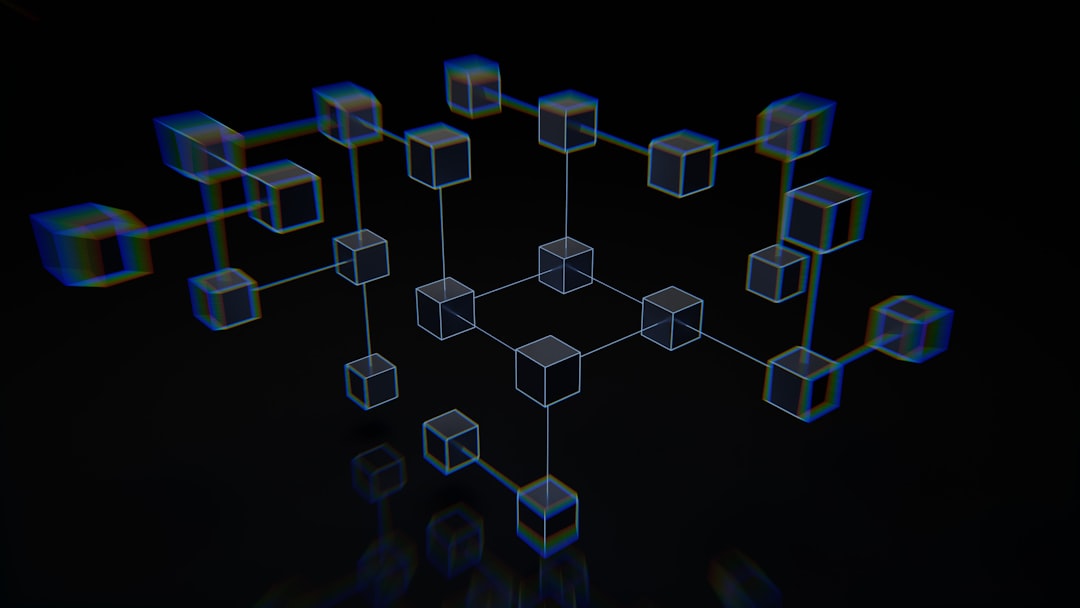
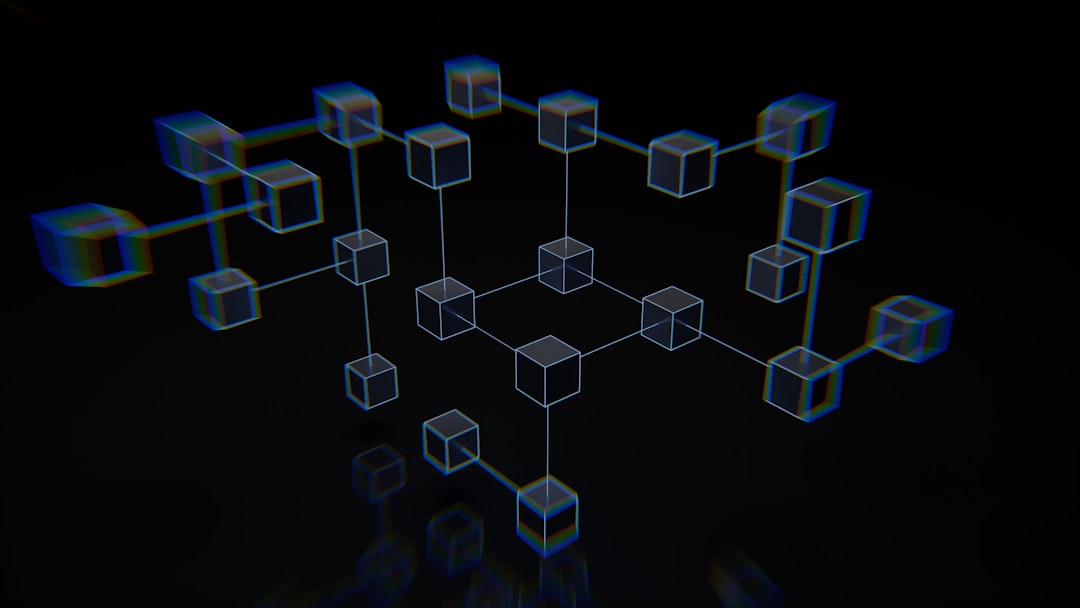
Blockchain is a distributed ledger technology that allows for the secure and immutable recording of data. Each block in the blockchain contains a list of transactions, which are linked together in a chain using cryptographic hashes. This makes it virtually impossible to alter or tamper with the data stored on the blockchain, ensuring trust and transparency in digital transactions.
How Web3 and Blockchain Work
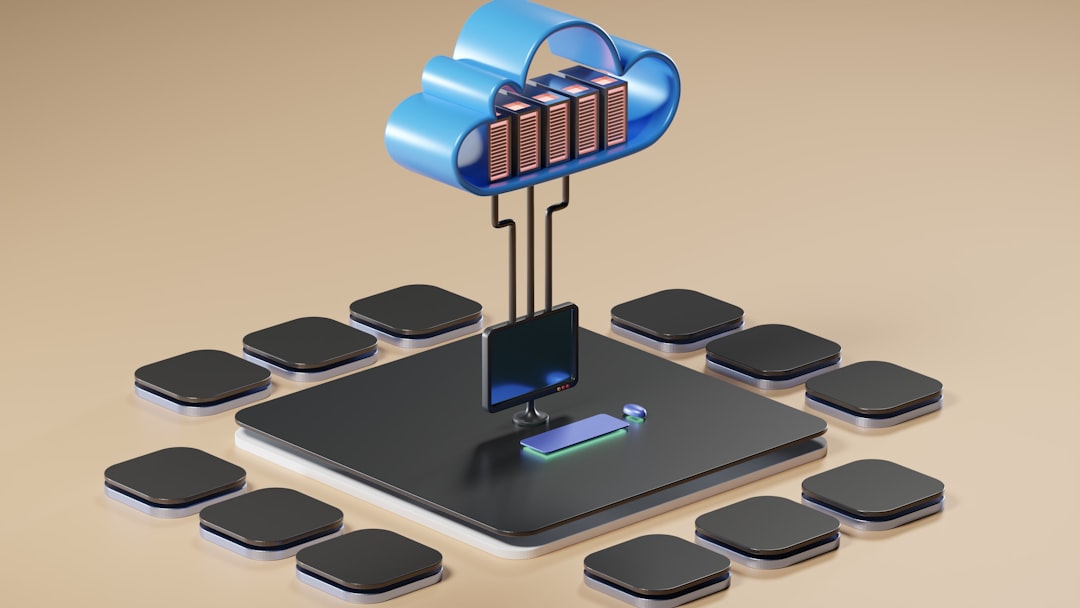
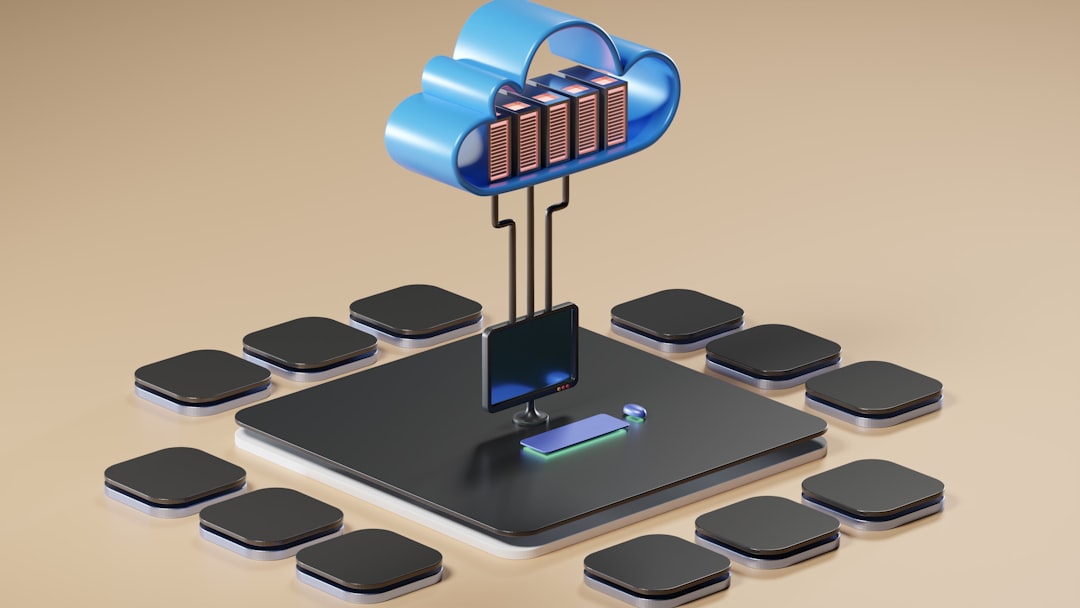
Web3 applications, also known as decentralized applications (dApps), run on blockchain networks instead of centralized servers. This means that users interact directly with the blockchain to access and exchange data, removing the need for intermediaries and reducing the risk of censorship or data breaches. Smart contracts, self-executing contracts with the terms of the agreement directly written into code, automate transactions on the blockchain, further enhancing the efficiency and security of decentralized applications.
One of the key features of Web3 and blockchain technology is the concept of digital ownership. Through the use of non-fungible tokens (NFTs), individuals can prove ownership of digital assets like art, music, and collectibles on the blockchain. This has opened up new possibilities for creators to monetize their work and for users to buy, sell, and trade digital assets in a secure and transparent manner.
Impact of Web3 and Blockchain on the Technology Industry
The rise of Web3 and blockchain technology is likely to have a profound impact on the technology industry, disrupting traditional business models and reshaping the way we interact with the internet. Decentralized finance (DeFi) platforms are already gaining popularity, offering users the ability to borrow, lend, and trade cryptocurrencies without the need for banks or financial institutions.
The gaming industry is also being transformed by Web3 and blockchain technology, with NFTs allowing players to truly own in-game assets and transfer them between different games. This has the potential to create new revenue streams for game developers and empower players to monetize their gaming skills and achievements.
In conclusion, Web3 and blockchain technology hold great promise for revolutionizing the technology landscape. By enabling decentralized applications, digital ownership, and secure transactions, these technologies are empowering individuals to take control of their online experiences and assets. As we continue to explore the possibilities of Web3 and blockchain, it is clear that the future of technology is decentralized, transparent, and user-centric.