In recent years, the terms Web3 and blockchain have been making waves in the technology world. These innovative technologies have the potential to revolutionize the way we interact online, offering increased security, transparency, and decentralization. In this article, we will explore what Web3 and blockchain are, how they work, and the impact they are having on the tech industry.
### Introduction to Web3 and Blockchain
Web3 is the next evolution of the internet, moving beyond Web 2.0 to a decentralized, user-centric web experience. At its core, Web3 aims to give users more control over their data and online interactions, shifting power away from centralized authorities like tech giants and governments. This is made possible through the use of blockchain technology.
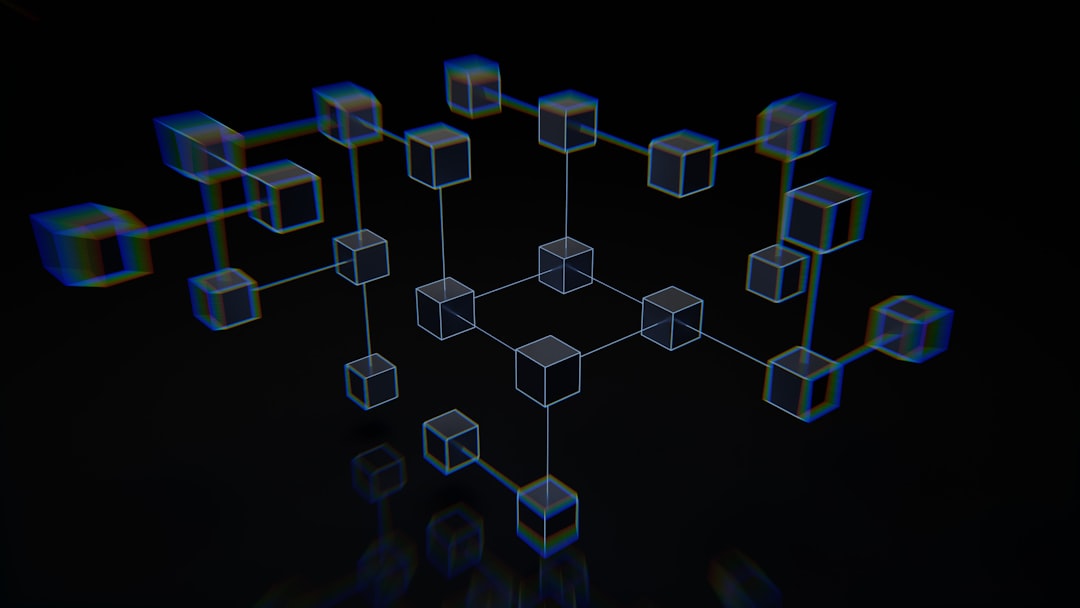
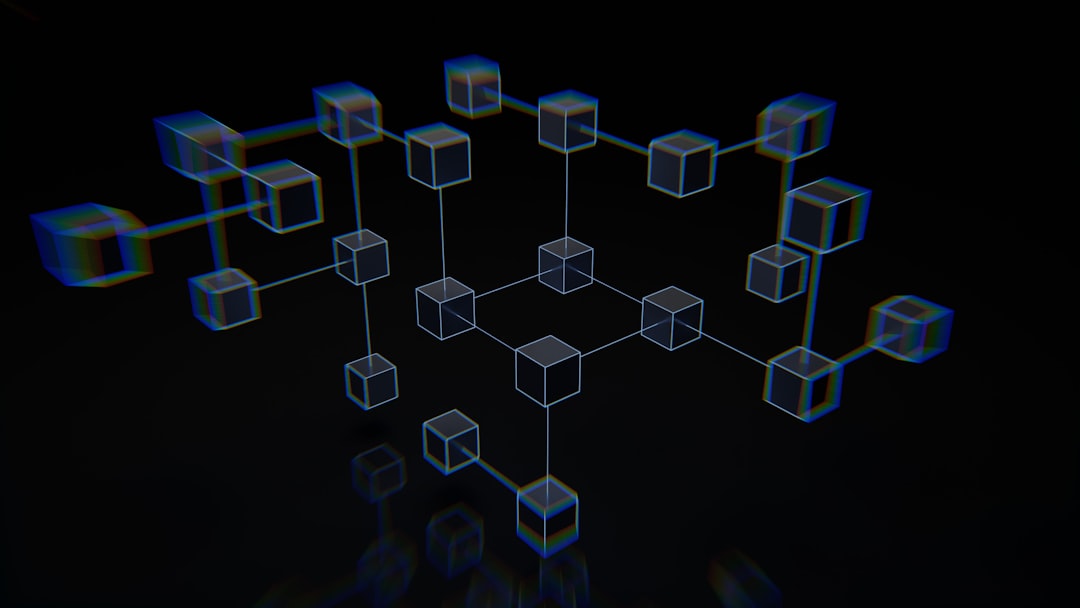
Blockchain is a distributed ledger technology that securely records transactions across a decentralized network of computers. Each transaction is verified by multiple participants in the network, making it virtually impossible to alter or tamper with the data. This level of security and transparency is what makes blockchain so revolutionary and has applications beyond just cryptocurrencies like Bitcoin.
### How Web3 and Blockchain Work
In Web3, blockchain technology plays a crucial role in enabling decentralized applications (dApps) and smart contracts. dApps are applications that run on a blockchain network, removing the need for centralized servers and intermediaries. This allows for greater security, privacy, and user control.
Smart contracts are self-executing contracts with the terms of the agreement directly written into code. These contracts automatically execute when certain conditions are met, eliminating the need for third-party intermediaries. This not only streamlines processes but also reduces the risk of fraud and manipulation.
### Impact on the Tech Industry
The adoption of Web3 and blockchain technology is already having a significant impact on the tech industry. Companies are exploring new ways to leverage these technologies to improve security, efficiency, and user experience. For example, blockchain can be used to secure supply chains, verify the authenticity of products, and streamline financial transactions.
In addition, Web3 is reshaping the way we interact online, with a greater emphasis on privacy, data ownership, and digital sovereignty. Users are demanding more control over their personal data and are turning to decentralized platforms that prioritize security and transparency.
### Conclusion
In conclusion, Web3 and blockchain are ushering in a new era of the internet, one that is more secure, transparent, and user-centric. These technologies have the potential to disrupt traditional industries and empower individuals in ways we have never seen before. As we continue to explore the possibilities of Web3 and blockchain, it is clear that the tech industry is in for a transformative journey. Stay tuned for more updates on the latest developments in this exciting field.